


Performance Max campaigns are a game-changer in the Google Ads landscape. They allow advertisers to run ads across all Google inventory from a single campaign. This includes Search, Display, YouTube, Gmail, and Discover. The idea is simple: instead of managing multiple campaigns for different platforms, you can consolidate your efforts into one. This not only saves time but also streamlines the process of reaching your audience. However, don’t let the simplicity fool you; there’s a lot more to these campaigns than meets the eye.
As a Google Ads Specialist with over a decade of experience, I’ve seen the evolution of advertising strategies. Performance Max is one of the most significant shifts I’ve encountered. It’s not just about throwing money at ads and hoping for the best; it’s about understanding how to utilize this tool effectively. If you’re considering diving into Performance Max, you need to grasp its nuances and how it fits into your overall marketing strategy.
In exploring the effectiveness of Performance Max Campaigns, it’s essential to consider how they fit into a broader advertising strategy. An insightful article that complements this discussion is about structuring Google Ads accounts for scalability. This resource provides valuable tips on optimizing account setups to enhance performance across various campaign types, including Performance Max. For more information, you can read the article here: How to Structure Google Ads Accounts That Scale.
The Benefits of Performance Max Campaigns
One of the standout benefits of Performance Max campaigns is their ability to optimize across channels automatically. Google’s machine learning algorithms analyze data in real-time to determine where your ads will perform best. This means you can reach potential customers at various touchpoints without micromanaging each channel. The automation aspect is a double-edged sword; while it can save time, it requires a solid foundation of data to work effectively.
Another significant advantage is the access to a broader audience. With Performance Max, you’re not limited to just one type of ad format or platform. You can showcase your products or services in multiple ways, increasing your chances of engagement. This multi-channel approach allows for more comprehensive brand exposure, which is crucial in today’s competitive market. However, it’s essential to remember that broader reach doesn’t guarantee better results; you still need to focus on quality targeting and creative execution.
When Performance Max Campaigns Are Effective

Performance Max campaigns shine when you have clear goals and a well-defined audience. If you’re looking to drive conversions or increase sales, these campaigns can be particularly effective. They work best for businesses with a diverse product range or those that want to promote multiple services simultaneously. The ability to showcase various offerings in one campaign can lead to higher engagement rates and ultimately more conversions.
However, they’re not a one-size-fits-all solution. If your business has a very niche audience or specific targeting needs, you might find that traditional campaigns yield better results. Performance Max thrives on data and broad targeting; if your audience is too narrow, the algorithm may struggle to find enough relevant users. Understanding when to use this campaign type is crucial for maximizing its potential.
The Importance of Targeting in Performance Max Campaigns
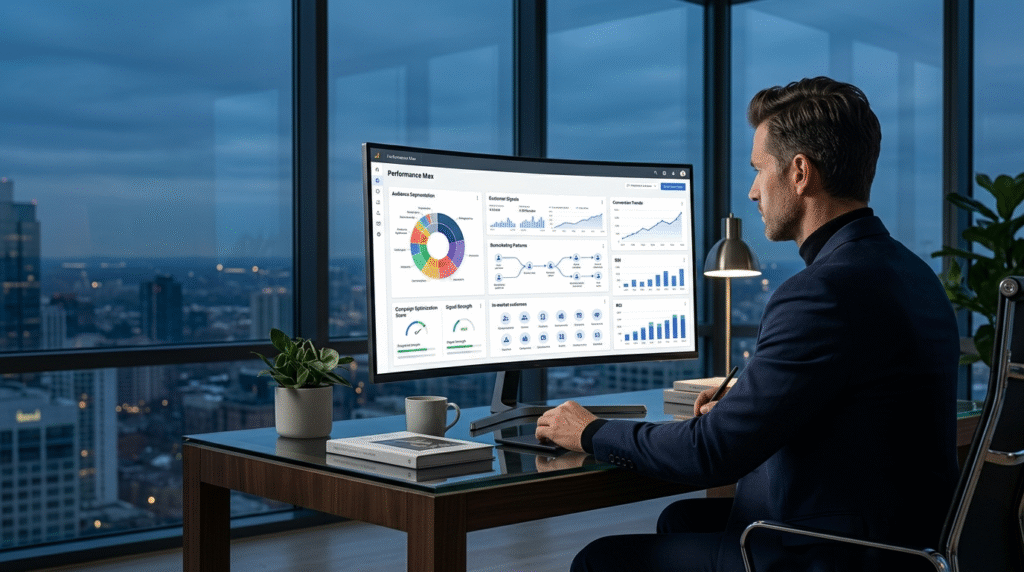
Targeting is the backbone of any successful advertising campaign, and Performance Max is no exception. While the automation aspect can handle much of the heavy lifting, you still need to provide Google with the right signals. This means utilizing audience signals effectively—whether it’s demographics, interests, or previous interactions with your brand. The more precise your targeting, the better the algorithm can optimize your ads.
Moreover, it’s essential to continuously refine your audience signals based on performance data. Don’t just set it and forget it; monitor how different segments respond and adjust accordingly. If certain demographics are underperforming, consider excluding them or reallocating budget towards more responsive segments. Remember, effective targeting isn’t just about reaching more people; it’s about reaching the right people.
In exploring the effectiveness of Performance Max Campaigns, it’s essential to consider various strategies that can enhance their performance. One such strategy involves understanding how to get your business recommended by AI assistants, which can significantly impact your advertising efforts. For more insights on this topic, you can read the article on how to improve your visibility in the digital landscape by visiting this link. By integrating these recommendations, businesses can better navigate the complexities of Performance Max Campaigns and optimize their results.
The Role of Ad Creatives in Performance Max Campaigns
| Metrics | Successful Campaigns | Unsuccessful Campaigns |
|---|---|---|
| Target Audience | Well-defined and targeted | Too broad or not well-defined |
| Timing | Launched at optimal times | Launched at off-peak times |
| Message | Compelling and relevant | Unclear or irrelevant |
| Channel | Utilized effective channels | Used ineffective channels |
Ad creatives play a pivotal role in the success of Performance Max campaigns. You can have the best targeting and budget in place, but if your creatives don’t resonate with your audience, you’re wasting your time and money. High-quality images, compelling copy, and clear calls-to-action are non-negotiable. You need to capture attention quickly because users are bombarded with ads every day.
Additionally, consider creating multiple variations of your ads. Performance Max allows for different formats and placements, so take advantage of this by testing various creatives. A/B testing is crucial here; see what works best in terms of engagement and conversions. Don’t be afraid to iterate based on performance data—what worked last month might not work today.
In exploring the effectiveness of Performance Max Campaigns, it’s essential to understand the broader context of digital marketing strategies. For instance, a related article discusses the challenges of translating keywords and offers insights on alternative approaches that can enhance campaign performance. You can read more about this topic in the article on translating keywords, which highlights the importance of adapting strategies to meet specific audience needs. This understanding can significantly impact how and when Performance Max Campaigns yield the best results.
The Pitfalls of Performance Max Campaigns
Check out my latest article on Medium.
Despite their advantages, Performance Max campaigns come with their own set of pitfalls. One major issue is the lack of control over where your ads appear. While Google’s algorithms are designed to optimize placements, this can lead to ads showing up in contexts that don’t align with your brand values or messaging. It’s essential to monitor placements regularly and exclude any that don’t fit your criteria.
Another pitfall is over-reliance on automation. While machine learning can enhance performance, it’s not infallible. If you don’t provide enough quality data or if your account structure isn’t optimized, you may end up with subpar results. Always keep an eye on performance metrics and be ready to step in if things aren’t going as planned.
When Performance Max Campaigns Fail to Deliver Results
There are several reasons why Performance Max campaigns might not deliver the expected results. One common issue is insufficient data for the algorithm to work with effectively. If you’re launching a new product or service without historical data, the system may struggle to find the right audience or placements. In such cases, consider running traditional campaigns alongside Performance Max until you gather enough data.
Another reason for underperformance could be poor ad creatives or messaging that doesn’t resonate with your target audience. If users aren’t engaging with your ads, it’s time to revisit your creatives and make necessary adjustments. Sometimes, even minor tweaks can lead to significant improvements in performance.
The Impact of Budgeting on Performance Max Campaigns
Budgeting plays a critical role in how well your Performance Max campaigns perform. A common mistake is setting a budget without considering the potential reach and competition within your industry. If your budget is too low, you may not get enough impressions or clicks to gather meaningful data for optimization.
On the flip side, overspending without proper monitoring can lead to wasted ad spend on underperforming segments or placements. It’s essential to establish a budget that aligns with your goals while allowing for flexibility based on performance metrics. Regularly review your spending and adjust as needed; this isn’t a “set it and forget it” scenario.
How to Measure the Success of Performance Max Campaigns
Measuring success in Performance Max campaigns requires a clear understanding of your key performance indicators (KPIs). Common metrics include conversion rates, cost per acquisition (CPA), and return on ad spend (ROAS). However, don’t just focus on surface-level metrics; dig deeper into user behavior and engagement rates as well.
Utilize Google Analytics alongside Google Ads data for a comprehensive view of performance. Look at how users interact with your site after clicking on ads—are they bouncing quickly or engaging with content? This information can provide valuable insights into whether your ads are attracting the right audience and if adjustments are needed.
Tips for Optimizing Performance Max Campaigns
To get the most out of Performance Max campaigns, optimization should be an ongoing process rather than a one-time effort. Start by ensuring that your conversion tracking is set up correctly; without accurate tracking, you won’t have reliable data for optimization decisions.
Next, regularly review audience signals and adjust them based on performance data. If certain segments are performing better than others, allocate more budget towards those areas while refining or excluding underperforming segments. Additionally, keep testing different ad creatives—what works today might not work tomorrow.
Finally, don’t underestimate the power of seasonality and trends in your industry. Adjust your campaigns accordingly during peak times or promotional periods to maximize visibility and engagement.
Making the Most of Performance Max Campaigns
In conclusion, Performance Max campaigns offer a unique opportunity for advertisers looking to streamline their efforts across multiple platforms while leveraging Google’s machine learning capabilities. However, success doesn’t come automatically; it requires careful planning, ongoing optimization, and a willingness to adapt based on performance data.
By understanding the benefits and pitfalls of these campaigns, focusing on effective targeting and creatives, and continuously measuring success against clear KPIs, you can make the most out of Performance Max campaigns. Don’t shy away from experimenting—this is an evolving landscape, and staying ahead means being proactive in your approach.
FAQs
What are Performance Max Campaigns?
Performance Max Campaigns are a type of Google Ads campaign that uses machine learning to automatically optimize for conversions across Google’s properties, including Search, Display, YouTube, and Discover.
When do Performance Max Campaigns work?
Performance Max Campaigns work best for advertisers who have a clear understanding of their target audience and conversion goals. They are also effective for businesses with a wide range of products or services to promote across multiple Google platforms.
When do Performance Max Campaigns not work?
Performance Max Campaigns may not work well for advertisers with very specific targeting requirements or niche audiences. Additionally, businesses with limited budgets or those that require strict control over where their ads appear may find Performance Max Campaigns less effective.
What are the benefits of using Performance Max Campaigns?
Performance Max Campaigns offer the benefit of reaching potential customers across various Google platforms with minimal manual optimization required. They also provide access to Google’s machine learning capabilities to help maximize conversions.
How can advertisers optimize Performance Max Campaigns for success?
Advertisers can optimize Performance Max Campaigns by ensuring their website and landing pages are optimized for conversions, setting clear conversion goals, and regularly monitoring and adjusting their campaign settings to align with their business objectives.
